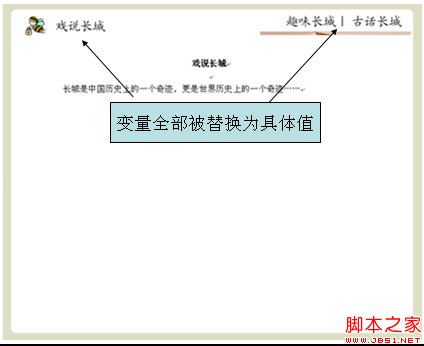
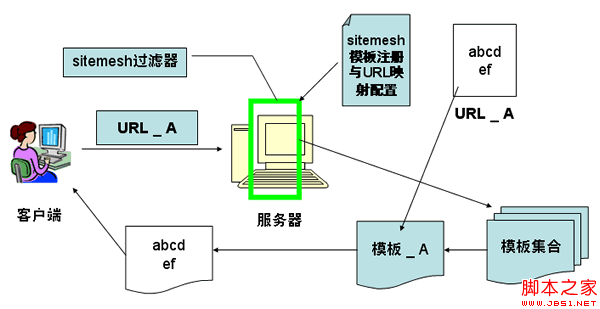
三,Sitemesh的配置与使用
1)WEB-INF/web.xml中加入filter定义与sitemesh的taglib定义
<filter>
<filter-name>sitemesh</filter-name>
<filter-class>com.opensymphony.module.sitemesh.filter.PageFilter</filter-class>
</filter>
<filter-mapping>
<filter-name>sitemesh</filter-name>
<url-pattern>/*</url-pattern>
</filter-mapping>
<taglib>
<taglib-uri>sitemesh-decorator</taglib-uri>
<taglib-location>/WEB-INF/sitemesh-decorator.tld</taglib-location>
</taglib>
<taglib>
<taglib-uri>sitemesh-page</taglib-uri>
<taglib-location>/WEB-INF/sitemesh-page.tld</taglib-location>
</taglib>
2)创建WEB-INF/decorators.xml,在该文件中配置有哪些模板,以及每个模板具体修饰哪些URL,另外也可以配置哪些URL不需要模板控制 , decorators.xml的一个例子如下:
<excludes>
<pattern>/Login*</pattern>
</excludes>
<decorators defaultdir="/decorators">
<decorator name="main" page=“DecoratorMainPage.jsp">
<pattern>/*</pattern>
</decorator>
<decorator name=“pop" page=“PopPage.jsp">
<pattern>/showinfo.jsp*</pattern>
<pattern>
/myModule/GreatWallDetailAction.do*
</pattern>
</decorator>
</decorators>
3)我们看一个修饰模板的例子
<%@page contentType="text/html;?charset=GBK"%>
<%@taglib uri="sitemesh-decorator"?prefix="decorator" %>
<html>
<head>
<title> <decorator:title/> </title>
<decorator:head/>
</head>
<body>
Hello World <hr/>
<decorator:body/>
</body>
</html>
4)我们看一个被修饰的页面的例子:
<%@ page contentType="text/html;?charset=GBK"%>
<html>
<head>
<title>Hello World</title>
</head>
<body>
<p>Decorated page goes here.</p
</body>
</html>
5)我们看一下装饰模板中可以使用的Sitemesh标签
<decorator:head />
取出被装饰页面的head标签中的内容。
<decorator:body />
取出被装饰页面的body标签中的内容。
<decorator:title default="" />
取出被装饰页面的title标签中的内容。default为默认值
<decorator:getProperty property="" default="" writeEntireProperty=""/>
取出被装饰页面相关标签的属性值。
writeEntireProperty表明,是显示属性的值还是显示“属性=值”
Html标签的属性
Body标签的属性
Meta标签的属性
注意如果其content值中包含“>或<”会报错,需转码,例如<等等
default是默认值
<decorator:usePage id="" />
将被装饰页面构造为一个对象,可以在装饰页面的JSP中直接引用。
6)看一个在装饰模板中使用标签的例子
<html lang=“ <decorator:getProperty property=‘lang’/> ”>
<head>
<title> <decorator:title default=“你好” /> </title>
<decorator:head />
</head>
<body <decorator:getProperty property=“body.onload" writeEntireProperty=“1"/> >
从meta中获取变量company的名称:
<decorator:getProperty property=“meta.company”/>
下面是被修饰页面的body中的内容:
<decorator:body />
<decorator:usePage id=“myPage" />
<%=myPage.getRequest().getAttribute(“username”)%>
</body>
</html>
7)看一下相应的在被修饰页面中的代码:
<html lang=“en”>
<head>
<title>我的sitemesh</title>
<meta name=“company” content=“smartdot”/>
<meta name=“Author” content=“zhangsan”/>
<script>
function count(){return 10;}
</script>
</head>
<body onload=“count()”>
<p>这是一个被修饰页面</p>
</body>
</html>
四,总结
1,Sitemesh最为重要的就是做用于修饰的模板,并在decorators.xml中配置这些模板用于修饰哪些页面。因此使用Sitemesh的主要过程就是:做装饰模板,然后在decorators.xml中配置URL Pattern
2,分析整个工程,看哪些页面需要抽象成模板,例如二级页面、三级页面、弹出窗口等等可能都需要做成相应的模板,一般来说,一个大型的OA系统,模板不会超过8个。
— — —— — — — — — — — — — — — — — — — — — — — — —
如果某个特殊的需求请求路径在过滤器的范围内,但又不想使用模板怎么办?
你总不能这么不讲道理吧!
大家放心吧,SiteMesh早就考虑到这一点了,上面第5步说道的decorators.xml这个时候就起到作用了!
下面是我的decorators.xml:
<?xml version="1.0" encoding="ISO-8859-1"?>
<decorators defaultdir="/decorators">
<!-- Any urls that are excluded will never be decorated by Sitemesh -->
<excludes>
<pattern>/index.jsp*</pattern>
<pattern>/login/*</pattern>
</excludes>
<decorator name="main" page="main.jsp">
<pattern>/*</pattern>
</decorator>
</decorators>
decorators.xml有两个主要的结点:
decorator结点指定了模板的位置和文件名,通过pattern来指定哪些路径引用哪个模板
excludes结点则指定了哪些路径的请求不使用任何模板
如上面代码,/index.jsp和凡是以/login/开头的请求路径一律不使用模板;
另外还有一点要注意的是:decorators结点的defaultdir属性指定了模板文件存放的目录;